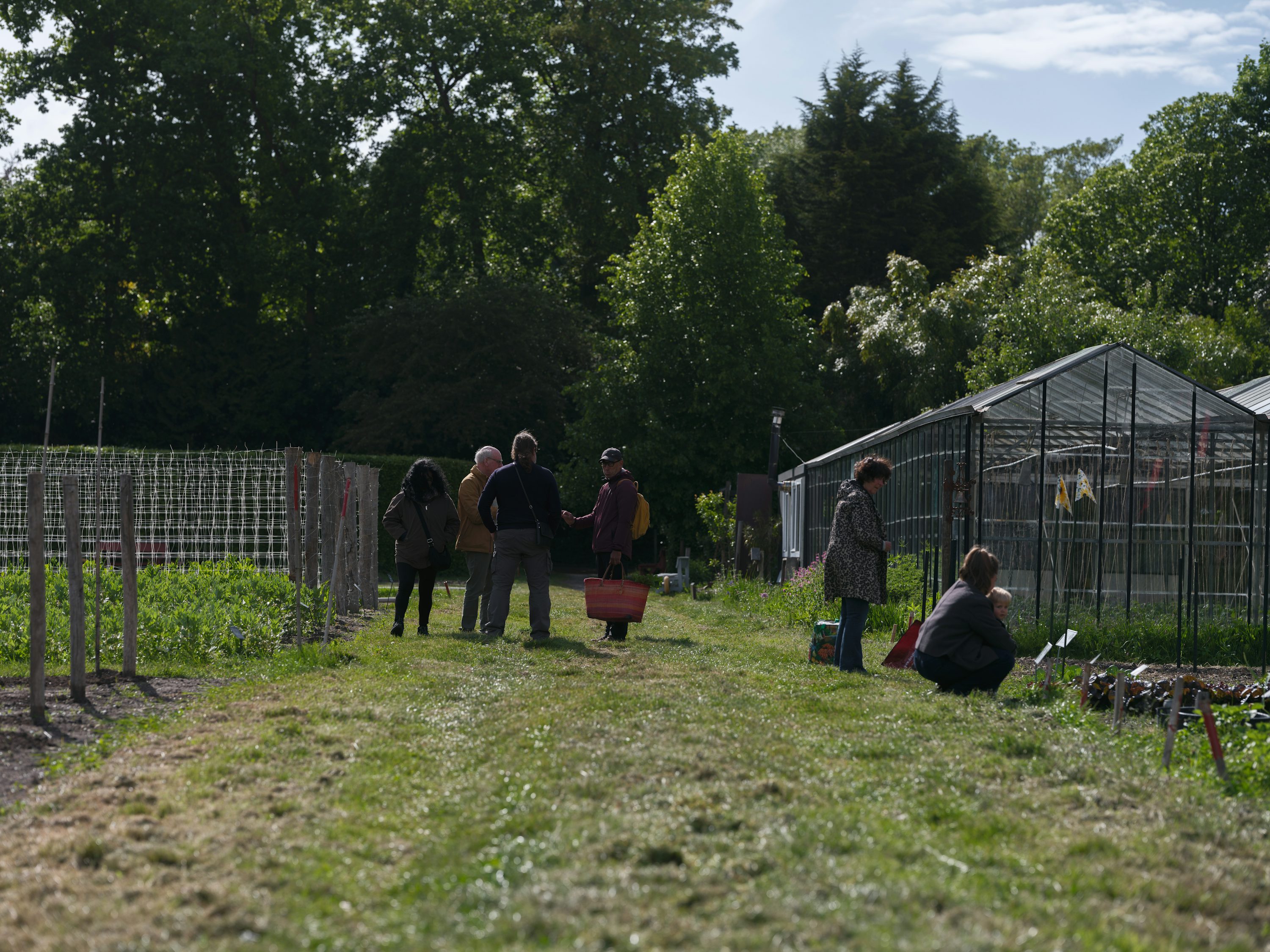
A community garden can look modest from the footpath: a few raised beds, a water tank, a compost bin and a patch of soil between houses or buildings. Yet the activity inside can be much larger than the harvest. People learn how to grow food, exchange local knowledge, share tools, organise working bees and meet neighbours they might otherwise pass without speaking to.
That is why community gardens are better understood as shared places than as small farms. They produce vegetables and herbs, but they can also create routines, relationships and a sense of responsibility for a local space. In a city where many people live in apartments or move frequently, a garden can offer a practical way to become part of a neighbourhood.
The work is bigger than the harvest
Community Gardens Australia’s 2024 survey gathered 249 responses, representing 216 unique gardens. The organisation reported more than 339,000 volunteer hours a year among the responding gardens. It also recorded activities beyond food production, including beekeeping, composting, educational workshops, shared meals, food for soup kitchens, fundraising, playgroups and yoga.
The survey is a snapshot from participating gardens, not a census of every community garden in Australia. It should not be read as a complete national count. But it illustrates the range of work that can happen around a shared growing space. The garden becomes a place where practical knowledge and social activity meet.
A person who joins to learn how to grow tomatoes might discover how to compost, save seeds or manage a water-wise bed. Someone else may arrive because they want to meet people after moving to a new suburb. Another person may contribute carpentry, administration, cooking or event skills. The work is shared, and not everyone needs to be an expert gardener to take part.
A small space can support local culture
Gardens carry local knowledge. What grows well depends on climate, soil, water, shade and the seasons. People bring different family traditions, food memories and ways of preparing produce. When these are shared respectfully, a garden can become a place where neighbours exchange knowledge without turning every activity into a formal class.
Research published in 2026 on four urban community gardens in Brisbane found that participants valued community, food production, learning, nature and composting. The study involved interviews with 16 garden members and participant observation. Its small qualitative sample cannot establish that every garden produces the same results, but it offers a useful account of why people participate and how shared growing can contribute to a sense of place.
The same research also identified practical challenges: flooding, changes to land use and the difficulty of maintaining volunteer numbers. Those challenges are important. A garden needs secure access to land, water, tools, clear responsibilities and people willing to keep showing up. A successful garden is not created simply by placing raised beds in an empty space.
How to find a garden near you
If you want to join one, start with the Community Gardens Australia website and its garden-finding resources. Local councils, neighbourhood houses, schools, community centres and housing organisations may also list nearby projects. Some gardens are open to anyone at working bees; others have membership arrangements, waiting lists or fees.
Before joining, ask a few practical questions. Is the garden communal or divided into individual plots? Are there regular working bees? What tools are provided? Is there a membership fee? Can people with limited mobility access the beds and paths? Are children welcome, and what supervision is expected? How does the group manage water, compost, pests and shared produce? These details help you choose a place that suits your circumstances.
A garden is also a shared responsibility. Follow the group’s planting and harvesting rules, label anything you add, ask before taking produce and respect the time volunteers have already put into the space. If you are new, start with a small task and learn the garden’s routines before making changes. A few hours of practical help can be more useful than arriving with a plan that has not been discussed.
Why these places deserve attention
Community gardens cannot solve housing pressure, food insecurity or the loss of public green space on their own. They should not be asked to replace funded services or become a substitute for accessible parks and recreation facilities. Their contribution is more local and more human: they make it easier for people to share a place, learn something useful and take part in a common activity.
A garden may be measured in kilograms of produce, but its value also sits in the conversations held beside the compost bin, the skills passed between generations and the quiet confidence that comes from knowing a few more people nearby. In that sense, the harvest is only part of what grows.