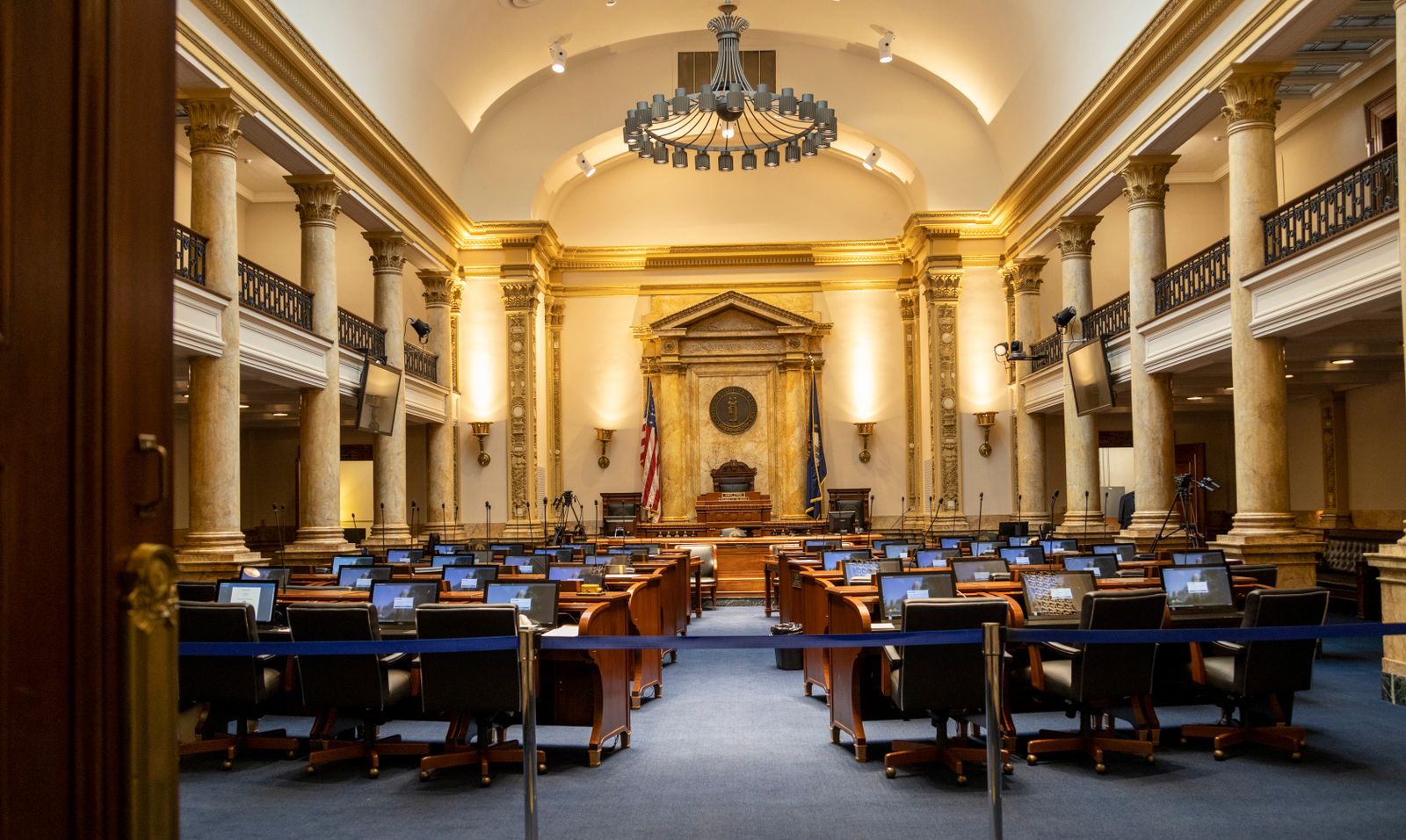
Public consultation is one way governments and public agencies hear from people who may be affected by a proposed policy, project or regulation. It does not guarantee that every suggestion will be adopted. Its value is that decision-makers can receive local knowledge, identify unintended consequences and understand the reasons behind different views.
The practical details
Before writing, read the consultation paper and identify exactly what is open for comment. Some processes ask about a draft plan; others seek evidence on a problem or feedback on several options. Check the closing date, word limit, accepted formats and whether submissions will be published. Do not include private details unless they are required and you understand how they will be handled.
Organise your response around a small number of clear points. Explain which part of the proposal you are addressing, what you support or oppose and why. Use practical examples, relevant data or direct experience where possible. If you believe a change will affect a particular group or location, explain the pathway by which that impact may occur.
Offer a workable alternative when you can. Rather than simply saying a proposal will not work, describe what could improve it: a different implementation period, clearer eligibility, additional safeguards or a way to measure outcomes. A specific suggestion gives decision-makers something concrete to assess.
What to take away
Keep the tone respectful and factual. Personal attacks and repeated slogans can distract from the substance of an argument. If you are representing an organisation, make clear whose views you are presenting and whether the submission has been authorised.
After submitting, save a copy and note any reference number. Later, look for the published response or final decision to see how feedback was considered. Participation is not only about being heard; it is also about following what happens next.